
The Ultimate Guide to Weddings in Wisconsin
Everything You Need to Know to Plan Your Wisconsin Wedding
Weddings in Wisconsin have a charm that's hard to find anywhere else. Whether you're exchanging vows on the shores of a lake, celebrating beneath towering pines in the Northwoods, hosting a sophisticated reception in Milwaukee, or gathering your closest family and friends on a quiet farm overlooking the Driftless Region, Wisconsin offers an incredible backdrop for every style of wedding.
I'm Erika, the owner and lead coordinator of Northwoods Event Services, and helping couples navigate the wedding planning process is what I do every day. I've worked alongside talented vendors, coordinated weddings across Wisconsin, and seen firsthand what makes a wedding day run smoothly and what can quickly cause unnecessary stress.
One thing I've learned is this: there is no such thing as a perfect wedding. Only a well-planned one.
Pinterest boards, Instagram reels, and TikTok trends can make it seem like every wedding should look a certain way. In reality, the best weddings aren't the ones with the biggest budgets or the fanciest décor. They're the ones that feel authentic to the couple and are thoughtfully planned.
That's exactly why I created this guide.
Whether you've been engaged for five minutes or five months, planning a wedding can quickly become overwhelming. Between choosing a venue, building a vendor team, understanding Wisconsin's marriage laws, creating a realistic timeline, and coordinating countless moving pieces, it's easy to wonder where you're even supposed to begin.
This guide is designed to answer those questions.
Throughout this article, I'll walk you through each stage of planning a wedding in Wisconsin, sharing practical advice, professional insight, and coordinator tips that I regularly give my own couples.
Let's dive in.

Meet Your Wisconsin Wedding Coordinator
I'm Erika, and helping couples create an authentic, Wisconsin wedding experience is exactly what I do.
I've always been the person who notices the details, makes the plan, and thinks three steps ahead. After years working in emergency services, staying calm when things get busy and finding solutions on the fly became second nature — and as it turns out, those skills transition perfectly into wedding planning and coordination.
Planning a wedding is exciting, but with so many decisions to make, vendors to coordinate, and details to keep track of, it can quickly become overwhelming. Whether you're planning a Northwoods celebration, a lakeside wedding, or a classic Wisconsin venue wedding, there are countless pieces that need to come together behind the scenes.
My goal is simple: for you to enjoy the process of planning your wedding and be fully present on your wedding day.
I’m here to help bring the details together, keep things moving, and make sure you have someone in your corner throughout the journey.
I’d love to be your wedding advocate, helping you navigate the details, solve problems, and create a Wisconsin wedding day that feels authentic to you.
Planning your Wisconsin wedding? Let’s make sure you have someone in your corner. Learn more about wedding coordination with Northwoods Event Services
Why Choose Wisconsin for Your Wedding?
Wisconsin may not always be the first state people think of when they imagine destination weddings, but I genuinely believe it's one of the most underrated places to get married.
One of the reasons I love coordinating weddings throughout Wisconsin is that no two celebrations ever feel alike. Within a few hours of driving, you can go from elegant downtown skylines to quiet wooded areas, from vineyards and orchards to waterfront resorts. That variety gives couples the opportunity to create a wedding that truly reflects who they are instead of forcing their vision into one specific style.
Wisconsin Has Something for Every Couple
One of Wisconsin's greatest strengths is its diversity. No matter what kind of atmosphere you're envisioning, there's likely a region that fits your style.
Northwoods
If your dream wedding includes towering pine trees, peaceful lakes, cabins, and a weekend spent unplugging with family and friends, the Northwoods might be exactly what you're looking for.
Many Northwoods weddings feel less like a one-day event and more like a weekend retreat. Guests often spend time boating, hiking, fishing, or simply relaxing together before and after the wedding, creating memories that extend far beyond the ceremony itself.
As someone who works throughout Wisconsin, I love seeing couples embrace the natural beauty this region offers rather than trying to transform it into something it's not.
Coordinator Tip: If you're planning a wedding in a more remote location, remember that logistics become even more important. Consider where guests will stay, how vendors will access the venue, whether reliable cell service is available, and how transportation will work. Beautiful locations often require additional planning behind the scenes.
Door County
Door County continues to be one of Wisconsin's most sought-after wedding destinations, and it's easy to understand why.
Its charming waterfront communities, scenic shoreline, wineries, orchards, and relaxed atmosphere make it feel like a destination wedding without leaving the state.
Because it's such a popular area, venues, accommodations, and vendors often book well in advance, especially during the busiest months of the year.
Driftless Region
The Driftless Region offers rolling hills, winding country roads, dramatic overlooks, and beautiful farmland. Couples looking for scenic outdoor views often fall in love with this part of Wisconsin because it feels peaceful, secluded, and naturally beautiful.
Fox Cities
Appleton, Green Bay, DePere and the Fox Cities as a whole combine convenience with variety. You'll find everything from modern event venues to rustic barns, making it a great option for couples who want flexibility while keeping travel simple for guests.
Milwaukee
Milwaukee offers a completely different wedding experience.
Historic architecture, industrial venues, elegant hotels, museums, waterfront views, and incredible dining options make it ideal for couples wanting a more urban celebration.
City weddings often give guests plenty to do before and after the wedding, turning your celebration into an entire weekend experience.
Madison
Madison blends natural beauty with city amenities.
Whether you're looking for lakeside views, gardens, historic buildings, or modern venues, Madison provides countless possibilities while remaining accessible for guests traveling from across the Midwest.
Lake Geneva
Known for its waterfront resorts and upscale atmosphere, Lake Geneva has become a favorite for couples wanting a classic destination wedding feel close to home.
Small-Town Charm vs. City Celebrations
One question I hear often is:
"Should we have a small-town wedding or get married in the city?"
The answer depends entirely on the experience you want to create.
Small-town weddings often feel intimate, personal, and relaxed. Guests are more likely to know one another, local businesses become part of your celebration, and the pace tends to feel slower.
City weddings, on the other hand, offer convenience, nightlife, unique architecture, and endless entertainment options for guests traveling in.
Neither is better than the other.
The best choice is the one that reflects your personalities and makes sense for the people you'll be celebrating with.
Wisconsin's Four Distinct Wedding Seasons
Unlike some states where the weather remains fairly consistent, Wisconsin gives couples four very different seasons to choose from.
Each one has advantages and each requires thoughtful planning.
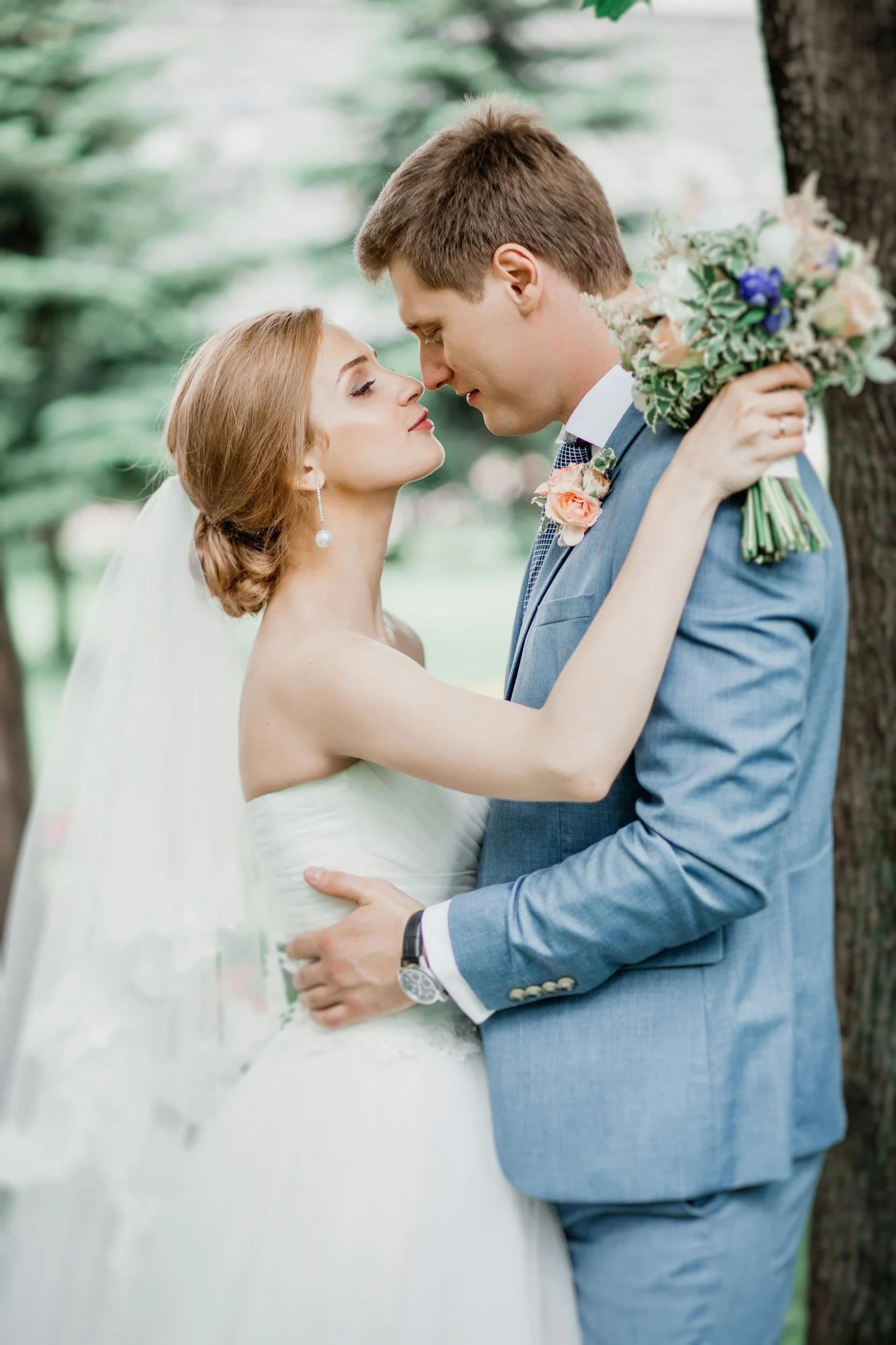
Spring Weddings
Spring symbolizes new beginnings, making it a meaningful time to begin your marriage.
Blooming flowers, fresh greenery, and milder temperatures create beautiful scenery, but Wisconsin spring weather is famously unpredictable. One week may feel like summer, while the next brings chilly rain.
If you're planning a spring wedding, having a rain plan is essential.
Summer Weddings
Summer remains one of the most popular wedding seasons in Wisconsin.
Long daylight hours, outdoor ceremonies, waterfront venues, and warm evenings make it easy to understand why.
However, summer also brings heat, humidity, and the occasional thunderstorm.
Coordinator Tip: When couples picture an outdoor ceremony, they often imagine how beautiful it will look, but I encourage them to think about how it will feel. Providing water stations, shade, fans, or a few extra minutes for guests to cool down can make a huge difference in their overall experience.
Fall Weddings
If I had to guess the season most Wisconsin couples ask about, it would probably be fall.
Changing leaves, comfortable temperatures, and rich autumn colors create an incredible backdrop for weddings.
Because of that popularity, fall Saturdays disappear quickly.
If you're dreaming of an October wedding, I recommend beginning your venue search as early as possible.
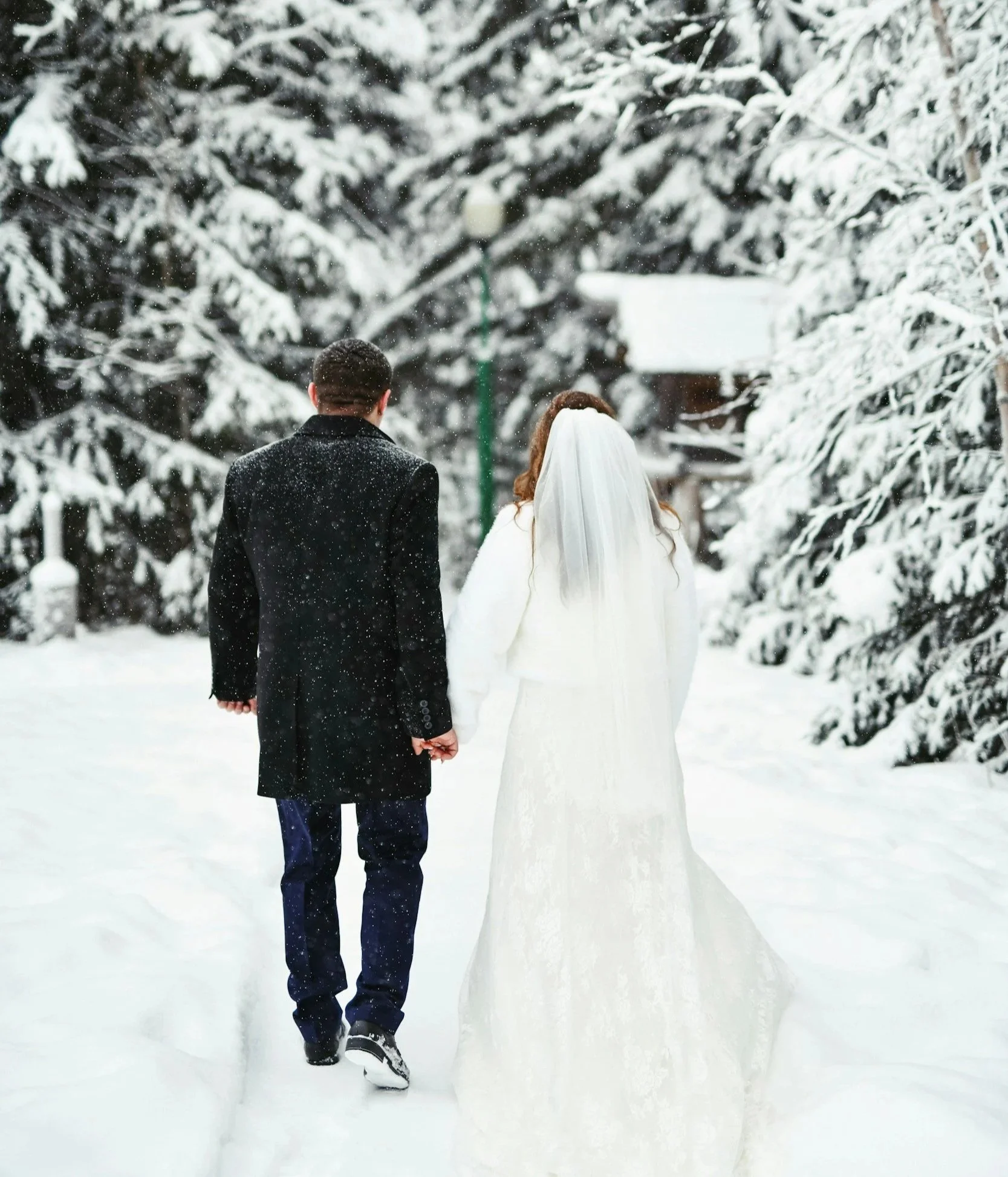
Winter Weddings
Winter weddings for couples who embrace the season, can be unforgettable.
Snow-covered landscapes, candlelight ceremonies, evergreen décor, fireplaces, and cozy receptions create an atmosphere that's completely different from any other time of year.
The biggest consideration for this season is logistics.
Weather, travel conditions, and shorter daylight hours all require thoughtful planning, but with the right preparation, winter weddings can be absolutely magical.
Choosing Your Wedding Date
One of the first questions you'll answer after getting engaged is, "When do we want to get married?" It sounds simple enough, but your wedding date affects nearly every other decision you'll make throughout the planning process.
Your date determines which venues are available, whether your favorite photographer can work your wedding, what the weather might look like, how your guests will travel, and even how your overall timeline unfolds.
I always encourage my couples to think beyond choosing a meaningful anniversary. Consider the experience you want to create, the season you love most, and how much flexibility you have if your first-choice date isn't available.
Wisconsin's Peak Wedding Season
Wisconsin's busiest wedding season generally runs from late spring through fall, with September and October being especially popular. Comfortable temperatures, beautiful scenery, and the changing fall colors make these months incredibly desirable.
The popularity of peak season comes with increased demand for venues and vendors.
If you've fallen in love with a specific venue or have your heart set on a particular photographer, DJ, or florist, don't wait to reach out. The most sought-after wedding professionals often book a year or more in advance, especially for Saturday weddings during peak season.
If your wedding date is flexible, you'll likely have more options. If you're set on one specific Saturday in October, be prepared to book early.
Limited Availability
Availability also impacts:
Hotel room blocks
Transportation companies
Hair and makeup artists
Rental companies
Officiants
Caterers
The sooner you begin planning, the more choices you'll have.
Pricing During Peak Season
While every business sets its own pricing, high demand can mean fewer opportunities for discounts or special promotions. Peak season is simply the busiest time of year for many wedding professionals.
Rather than trying to find the "cheapest" option, I encourage couples to focus on finding vendors whose work, communication, and personality fit their needs.
A great vendor is an investment in a smoother, less stressful wedding day.
Coordinator Tip: One of the biggest mistakes I see is couples booking a venue before checking whether their favorite vendors are available. If there's a photographer, coordinator, or entertainment company you absolutely want to work with, reach out early. Sometimes adjusting your date by even one weekend can make all the difference.
Off-Peak Wedding Seasons
Choosing an off-peak wedding date doesn't mean settling for less. In fact, many couples intentionally choose off-peak dates because they offer greater flexibility.
Some potential benefits include:
More available wedding dates
Greater flexibility when booking vendors
Easier scheduling for planning meetings
Less competition for accommodations and transportation
Every season has something unique to offer. Winter weddings can feel warm and intimate, while spring celebrations showcase Wisconsin's fresh greenery and blooming landscapes.
Remember, there is no "wrong" season to get married. Only the season that best fits your priorities.
Holiday Weekends
Holiday weekends are another option some couples consider.
There are definite advantages:
Guests may already have time off from work.
Out-of-town guests may be able to spend a longer weekend celebrating with you.
Your wedding can become part of a memorable holiday weekend.
However, there are also challenges:
Hotels and travel may be more expensive.
Guests may already have family traditions or vacation plans.
Some vendors may have limited availability or holiday pricing.
If you're considering a holiday weekend, think carefully about your guest list and whether the date will make attending easier or more difficult for the people most important to you.
Friday, Saturday, or Sunday?
For years, Saturday has been considered the traditional wedding day, but that's no longer your only option.
Friday Weddings
Friday weddings have become increasingly popular.
Many couples enjoy:
More venue availability
A full weekend to celebrate with guests
Greater scheduling flexibility
The main consideration is that some guests may need to leave work early to travel.
Saturday Weddings
Saturday remains the most requested day of the week for weddings.
Benefits include:
Familiar schedule for guests
Easier travel for many families
Plenty of time for the celebration
The tradeoff is that Saturdays often book the quickest.
Sunday Weddings
Sunday weddings tend to have a slower, more relaxed atmosphere.
They're a great option for brunch weddings, afternoon celebrations, or couples who want a more intimate feel.
Just remember that guests traveling home may need to leave earlier if they work on Monday.
At the end of the day, the best date is the one that supports your vision, your priorities, and the people you want by your side.
Understanding Wedding Costs
One of the biggest misconceptions I hear is that there's an "average" cost of a wedding in Wisconsin.
The truth is, there really isn't.
You've probably seen articles online claiming the average Wisconsin wedding costs a certain amount, but those numbers don't tell the whole story. A 30-person intimate celebration at a family cabin and a 300-guest ballroom reception are both Wisconsin weddings, yet their budgets could be vastly different.
Instead of asking, "What's the average?" I encourage couples to ask, "What matters most to us?"
Your guest count, priorities, venue, location, and overall vision will all influence your investment.
What Typically Makes Up a Wedding Budget?
Understanding the different pieces of a wedding budget helps you plan realistically and prioritize the elements that matter most to you. Every wedding is different, but most budgets include the following categories.
Guest Count
Before you can accurately estimate your wedding budget, you'll need a realistic guest count. Nearly every aspect of your wedding (from catering and bar service to rentals, invitations, favors, and even the size of your venue) is influenced by the number of people attending.
For example, adding 25 guests doesn't just mean paying for 25 additional meals. It may also require more tables and chairs, larger floral arrangements, additional transportation, more invitations, extra desserts, and a larger venue.
If you're trying to stay within a certain budget, your guest count is one of the biggest factors you can control.
Wedding Party
Your wedding party also plays a role in your overall budget. While every couple chooses to celebrate differently, it's important to think beyond attire alone.
Depending on your plans, wedding party expenses may include:
Attire or attire accessories
Hair and makeup
Bouquets or boutonnieres
Thank-you gifts
Transportation
Meals while getting ready
Personalized items or proposal gifts
There's no "right" number of attendants. Whether you stand beside one person or ten, choose the people who will support you throughout the planning process and on your wedding day.
Venue
Your venue is often one of the largest investments you'll make. Some venues include tables, chairs, setup, and cleanup, while others provide only the space itself.
When comparing venues, look beyond the rental fee and ask what's included. A venue with a higher rental fee may actually save you money if it includes items you'd otherwise need to buy or rent separately.
Catering & Bar
Food and beverages are usually one of the biggest guest-related expenses.
Costs can vary depending on:
Buffet or plated service
Cocktail hour selections
Beverage packages
Guest count
Late-night snacks
Photography & Videography
Your wedding day goes by quickly, but your photos and videos will allow you to relive those memories for years to come.
When choosing a photographer or videographer, focus on finding someone whose style and personality fit your vision.
Florals
Flowers help set the overall tone of your wedding.
Some couples keep things simple with bouquets and centerpieces, while others invest in elaborate ceremony installations, floral arches, hanging installations, or statement pieces.
Entertainment
Whether you hire a DJ, live band, or another entertainer, they're responsible for keeping your reception flowing and your guests engaged.
Great entertainment helps maintain the timeline, make announcements, and create an enjoyable atmosphere from cocktail hour through the last dance.
Planner or Coordinator
This is one area where couples sometimes hesitate because they see it as an optional expense.
As a coordinator, I see it differently.
A coordinator isn't there simply to fluff your dress or cue you down the aisle. My job is to manage the moving pieces so you don't have to.
I communicate with vendors, oversee the timeline, answer questions, solve unexpected problems, coordinate setup, manage transitions throughout the day, and make sure everyone is where they need to be.
Your family and friends shouldn't spend your wedding day directing vendors, checking the schedule, or solving problems behind the scenes. They should be celebrating alongside you.
Coordinator Tip: One of the greatest compliments I receive after a wedding is hearing, "I didn't have to worry about a thing." That's exactly the goal. When the planning has been done well and someone is there to manage the logistics, you can truly be present and enjoy your wedding day.
Attire
Wedding attire includes much more than a dress or suit.
Don't forget to budget for:
Alterations
Shoes
Jewelry
Accessories
Veils
Undergarments
Garment steaming or pressing
Hair & Makeup
Professional beauty services help many couples feel confident while also keeping the morning timeline running smoothly.
If you're covering services for your wedding party, be sure to include those costs in your budget as well.
Rentals
Depending on your venue, rentals may include:
Linens
Specialty chairs
Lounge furniture
Lighting
Tents
Dance floors
Tableware
Glassware
Chargers
Décor items
Transportation
Transportation may include shuttle buses, limousines, party buses, vintage vehicles, or transportation between your ceremony, reception, hotels, and photo locations for guests and your wedding party.
Stationery
Wedding stationery often includes:
Save the dates
Invitations
RSVP cards
Menus
Programs
Seating charts
Place cards
Thank-you cards
Cake & Desserts
Whether you're serving a traditional wedding cake, donuts, cookies, pie, cupcakes, or a dessert bar, don't forget to include desserts in your planning.
Marriage License
Your marriage license is a legal requirement for getting married in Wisconsin. While it may be a small portion of your overall budget, it's an important one to remember.
Gratuities
Review your vendor contracts carefully so you understand whether gratuities are already included. If they aren't, consider setting aside money to thank the vendors who helped make your wedding day possible.
A Contingency Fund
No matter how organized you are, unexpected expenses can arise.
Whether it's additional rentals, last-minute supplies, weather-related changes, or overlooked details, setting aside a small contingency fund provides flexibility and helps prevent unnecessary stress if something unexpected comes up during the planning process.
Choosing the Right Wedding Venue
Your venue is more than just the place where you'll say "I do." It becomes the foundation for nearly every other decision you'll make throughout the planning process.
Your venue influences your guest count, wedding style, timeline, catering options, rental needs, décor, and even which vendors you can hire. That's why I encourage couples not to rush this decision. Instead, choose a venue that supports the experience you want to create rather than trying to force your vision into a space that doesn't fit.
Types of Wedding Venues in Wisconsin
One of the things I love most about coordinating weddings in Wisconsin is the incredible variety of venues available across the state.
Depending on your style, you might choose:
A rustic barn surrounded by rolling farmland
A restored industrial warehouse with exposed brick and modern charm
A historic building full of timeless character
A grand ballroom for a classic, elegant celebration
A resort where guests can enjoy an entire wedding weekend
An outdoor venue surrounded by forests or gardens
A greenhouse filled with natural light
A lakeside venue overlooking one of Wisconsin's many beautiful waterways
The "best" venue is the one that feels like the right fit for you.
Questions to Ask Before Booking
A beautiful venue tour is important, but it's only part of the decision. Before signing a contract, make sure you understand how the venue operates and whether it fits your needs.
Here are some questions I always encourage couples to ask:
What is the maximum guest capacity?
Is there a backup plan for bad weather?
Are there any restrictions on outside vendors?
What is included in the rental?
Who is responsible for setup and cleanup?
Is there enough parking for our guests?
Is the venue accessible for guests with mobility needs?
What are the alcohol policies?
What time does the event need to end?
When can vendors begin setting up?
Coordinator Tip: I always recommend reviewing your venue contract carefully before signing. Small details (like décor restrictions, setup windows, cleanup expectations, or noise ordinances) can have a significant impact on your wedding day. Understanding those expectations early helps you avoid surprises later.
Once your venue is booked, the next step is assembling the team that will help bring your vision to life.
Building Your Vendor Team
One of the most exciting parts of planning your wedding is hiring the professionals who will help bring your vision to life. Your photographer will capture memories you'll cherish for decades. Your florist will transform your venue. Your DJ or band will keep the energy high. Your caterer will serve the meal your guests will talk about long after the wedding.
But here's something I tell every couple: a great vendor team isn't just a collection of talented individuals. It's a team that works well together.
The vendors you hire will spend your wedding day communicating with one another, adjusting to timeline changes, solving problems, and keeping everything moving behind the scenes. Experience, professionalism, and communication matter just as much as beautiful portfolios.
Which Vendors Should You Book First?
Not every vendor needs to be booked immediately after your engagement, but there are several that should be higher on your priority list because they tend to book the fastest.
Venue
Your venue is typically the first major decision because it determines your wedding date and influences many of the vendors you'll hire afterward.
Once you've secured your venue, the rest of your planning can begin falling into place.
Planner or Coordinator
This may surprise you, but I recommend booking your wedding coordinator much earlier than many couples think.
Some people assume a coordinator only shows up on the wedding day. While the wedding day is certainly a big part of what I do, my work starts long before then.
As your coordinator, I become a resource throughout your planning process. I answer questions, review logistics, help create your timeline, communicate with vendors, identify potential issues before they become problems, and provide guidance whenever you're unsure about the next step.
Planning a wedding involves hundreds of decisions. Having someone in your corner who has done it before can make the entire process feel much more manageable.
Coordinator Tip: One of my favorite parts of working with couples is being the person they can reach out to when they're stuck. Sometimes it's a question about timeline timing, sometimes it's advice on vendor etiquette, and sometimes it's simply reassurance that they're on the right track. You don't have to figure everything out alone.
Photographer
Your photographer is often one of the first vendors to book because the most popular photographers can only photograph one wedding each day.
If there's a photography style you absolutely love, don't wait to inquire.
Caterer
If your venue doesn't provide catering, this should be one of your next priorities.
Food plays a major role in your guest experience, and quality caterers often book well in advance.
Entertainment
Whether you're hiring a DJ or live band, entertainment helps shape the energy of your reception.
Beyond playing music, they often help keep events moving by making announcements, coordinating introductions, and maintaining the flow of the evening.
Florist
Florists help create the atmosphere of your wedding through bouquets, centerpieces, ceremony décor, and reception design.
Meeting with your florist after selecting your venue allows them to make recommendations that complement your space.
Hair & Makeup
Professional beauty teams often book quickly during Wisconsin's busiest wedding months.
Scheduling these services early helps ensure you have enough time to create a relaxed wedding morning timeline.
Bakery
Wedding desserts come in all forms nowadays. Including, traditional tiered cakes to cookies, donuts, cupcakes, and dessert bars.
Whatever you choose, book your bakery once your guest count and overall vision begin coming together.
Rentals
Some venues provide everything you'll need, while others require additional rentals.
These may include:
Tables
Chairs
Linens
Specialty place settings
Lounge furniture
Lighting
Tents
Decorations
Dance floors
Transportation
Transportation becomes especially important to you and your wedding party if your ceremony and reception are in different locations or if many guests are staying in hotels.
Planning transportation ahead of time helps your timeline stay on track and provides a safer experience for everyone.
Officiant
Whether you're hiring a professional officiant, asking a religious leader, or having a family member or friend perform your ceremony, don't leave this decision until the last minute.
Your officiant should have plenty of time to get to know you, prepare your ceremony, and understand Wisconsin's legal requirements. If you've chosen someone who has never officiated a wedding before, giving them guidance and time to prepare can help them feel confident and ensure your ceremony runs smoothly.
Coordinator Tip: One of the unique services I include in my coordination packages is a virtual meeting with any family member or friend who will be officiating your ceremony. During this meeting, I walk them through the ceremony from start to finish, discuss timing and cues, review Wisconsin's legal marriage license requirements, and answer any questions they may have. First-time officiants are often nervous, and this meeting helps them feel prepared and confident long before your wedding day.
Questions to Ask Every Vendor
Finding vendors isn't just about comparing prices. You're hiring professionals who will play an important role in your wedding day, so it's important to understand not only what they offer but also how they communicate and what you can expect throughout the planning process.
Before signing any contract, I encourage couples to ask thoughtful questions, including:
Are you available on our wedding date?
What services are included in your pricing?
Do you have backup plans in case of an emergency?
How do you typically communicate with couples?
What does your payment schedule look like?
Are there any additional fees we should expect?
Do you carry liability insurance?
Have you worked at our venue before?
What information do you need from us before the wedding?
Pay attention not only to their answers but also to how they communicate. Clear, timely communication during the planning process is often a good indicator of what you can expect on your wedding day.
Coordinator Tip: As part of my coordination services, I provide every couple with a comprehensive wedding planning guide that includes detailed, vendor-specific questions to ask throughout the planning process. Instead of wondering what to ask your photographer, caterer, florist, DJ, or venue, you'll have organized checklists designed to help you compare vendors, avoid common oversights, and make informed decisions with confidence. It's one of the many ways I help simplify the planning process and ensure no important details are overlooked.
Our Preferred Vendor List
One question I receive almost every week is:
"Do you have vendors you recommend?"
Absolutely.
At Northwoods Event Services, we provide our couples with a carefully curated Preferred Vendor List featuring professionals I've either had the opportunity to work alongside or trust based on their professionalism, communication, and reputation within the Wisconsin wedding industry.
These recommendations are designed to save you time.
Instead of spending hours scrolling through online directories or trying to compare hundreds of reviews, you'll receive a list of trusted professionals who have consistently demonstrated reliability and exceptional service.
That doesn't mean you're required to hire anyone from my list.
In fact, I always remind couples that your vendor team should reflect your vision. Not mine, your venues or any other vendors. Our role is to support your decisions while making recommendations when you need them.
Wisconsin Marriage License Requirements
After months of planning flowers, timelines, and seating charts, it's easy to overlook obtaining a Marriage License.
Though obtaining a Wisconsin marriage license is a fairly straightforward process, there are deadlines and legal requirements you'll want to understand well before your wedding day.
Applying for Your Marriage License
Couples getting married in Wisconsin must apply for a marriage license before their wedding ceremony.
The exact process varies slightly from county to county, but you'll generally need to schedule an appointment, provide identification, and complete the required paperwork.
Rather than waiting until the last minute, I recommend researching your county's requirements several months before your wedding so there are no surprises.
Waiting Period
Wisconsin has a statutory waiting period before a marriage license can typically be used.
While some counties may waive that waiting period under specific circumstances, you should never assume that will automatically happen.
Planning ahead is the easiest way to avoid unnecessary stress.
License Expiration
Marriage licenses are only valid for a limited period after they're issued.
That means timing matters. Apply too early and your license could expire before your wedding. Apply too late and you may run into waiting period issues.
Finding the right window is an important part of your planning timeline.
Officiant Responsibilities
After your ceremony, your officiant is responsible for completing the marriage license accurately. Including, making sure signatures are completed correctly and the paperwork is prepared for filing.
If you've asked a friend or family member to officiate, don't assume they'll automatically know what to do.
Reminder! When you book a wedding package with us here at Northwoods Event Services, we schedule a virtual meeting with any family member or friend officiating your ceremony. During that meeting, we walk through the ceremony, discuss timing and cues, review Wisconsin's legal requirements, and explain exactly how to complete the marriage license. Giving first-time officiants confidence while also avoiding common mistakes that we see.
Returning the Completed Marriage License
Once your ceremony is complete, the signed marriage license must be returned to the appropriate county office so your marriage can be officially recorded.
Your officiant is typically responsible for returning the completed paperwork, but it's always a good idea to confirm exactly who will be handling that step.
Read My Complete Marriage License Guide
While this blog only covers the basics for Wisconsin Marriage Licenses, we have more detailed information in our Ultimate Guide to Wisconsin Marriage Licenses, where we break down the entire process in detail to help make obtaining your marriage license as simple as possible.
Wisconsin Wedding Planning Timeline
One of the biggest sources of wedding planning stress isn't necessarily the number of tasks, but knowing when those tasks should be completed.
Having a timeline keeps your planning organized and helps you avoid feeling overwhelmed as your wedding day approaches.
Every wedding is different, but here's a general planning timeline I recommend to couples. Think of this as a roadmap covering the major milestones throughout the planning process.
This timeline highlights the big-picture planning milestones, but it's far from a complete planning checklist. As part of our coordination services, every couple receives a comprehensive wedding planning guide with detailed checklists, deadlines, and planning resources to keep everything organized from your engagement through your wedding day. If you're planning a tent wedding or another event with more complex logistics, I also provide a specialized planning timeline that covers important milestones (like securing tent rentals, accessing the property for power, slope and energy, renting restroom trailers, and confirming other infrastructure) that need to be booked and/or accessed for much earlier than many couples realize.
12–18 Months Before
This is when you'll establish the foundation for your wedding.
Focus on:
Setting your priorities
Establishing your guest count estimate
Touring and booking your venue
Hiring your coordinator
Booking your photographer and other high-demand vendors
Beginning attire shopping
Starting with these major decisions makes the rest of your planning much easier.
9–12 Months Before
Now it's time to continue building your vendor team.
During this stage you should:
Book remaining major vendors
Ask your wedding party to participate
Reserve hotel room blocks
Begin planning ceremony details
Send save-the-dates
6–9 Months Before
Your wedding is starting to feel real.
This is a great time to:
Schedule attire fittings
Finalize your décor ideas
Meet with your caterer
Book transportation
Order invitations
3–6 Months Before
The focus begins shifting toward logistics.
Work on:
Mailing invitations
Finalizing your ceremony
Confirming marriage license requirements
Meeting with your officiant
Confirming rental orders
Beginning your wedding day timeline
1 Month Before
This is where everything starts coming together.
During the final month:
Confirm your final guest count
Create your seating chart
Apply for your marriage license
Confirm vendor arrival times
Make final payments according to your contracts
Pack personal décor items
Our Coordination Process: About 3 months before your wedding, we become much more involved in the planning process through monthly planning meetings. Then, about 1 month before your wedding, we step in as your primary point of contact for your vendor team- confirming arrival times, logistics, floor plans, timelines, and final details. Finally, 1 week before your wedding, we become the primary point of contact for your family and wedding party, giving them someone to turn to with questions instead of you.
Wedding Week
As exciting as this week is, remember that you should not be handling every detail. This is the time to relax and enjoy every moment.
Focus on:
Attending your rehearsal
Delivering décor if needed
Packing your overnight bag
Staying hydrated
Getting plenty of rest
Letting your coordinator handle last-minute logistics whenever possible
Wedding Day
By the time your wedding day arrives, your planning should already be complete.
This is your opportunity to soak in every moment. Laugh with your wedding party. Spend time with your family. Take a deep breath before walking down the aisle. Dance. and Celebrate.
Trust the planning process and trust the team you've built around you.
As your coordinator, my focus shifts entirely to managing the timeline, communicating with vendors, solving unexpected problems, and making sure everything continues moving smoothly behind the scenes so you don't have to think about anything except marrying the person you love.
Creating a Great Guest Experience
While your wedding day is ultimately about celebrating your marriage, it's also an opportunity to thank the people who have supported you throughout your relationship. Creating a great guest experience just means being intentional about the details that help your loved ones feel welcomed, informed, and comfortable.
The weddings that guests remember most aren't necessarily the ones with the biggest budgets. They're the ones where the day flowed naturally, everyone knew where they needed to be, and the couple was relaxed enough to enjoy every moment.
Hotel Accommodations
If you have out-of-town guests, reserving a hotel room block can make travel much easier.
When researching accommodations, consider:
Distance from your venue
Parking availability
Accessibility
Nearby restaurants and coffee shops
Check-in and check-out times
Sharing this information on your wedding website allows guests to make travel arrangements well in advance.
Transportation
If your ceremony, cocktail hour, and reception are in different locations or if many guests are staying at nearby hotels, transportation is worth considering.
Providing a shuttle can:
Keep your timeline on schedule
Help guests navigate unfamiliar areas
Reduce parking congestion
Encourage responsible transportation after the reception
Even if you aren't providing transportation, make sure guests know exactly where they need to be and when.
Coordinator Tip: When I build your wedding day timeline, I account for more than just drive time. I factor in parking, loading guests onto shuttles, walking distances, and other small details that can easily throw off a schedule if they aren't considered.
Parking
Parking is one of those details couples rarely think about until guests begin arriving.
Before your wedding, make sure guests know:
Where to park
Whether parking is free or paid
If overflow parking is available
Whether shuttle transportation is provided
Where accessible parking is located
Clear communication helps guests arrive feeling relaxed instead of frustrated.
Accessibility
Every guest should be able to comfortably enjoy your wedding.
As you're planning, think about:
Wheelchair accessibility
Accessible restrooms
Walking distances
Elevators if needed
Seating for guests with mobility concerns
If your venue has any accessibility limitations, communicate those ahead of time so guests know what to expect.
Welcome Bags
If many guests are traveling for your wedding, welcome bags are a thoughtful way to thank them for making the trip.
You don't need to fill them with expensive gifts.
Simple items often make the biggest impact:
Bottled water
Local Wisconsin snacks
A weekend itinerary
Restaurant recommendations
A handwritten welcome note
These personal touches help guests feel appreciated from the moment they arrive.
Child-Friendly Considerations
If children will be attending your wedding, consider how you can help families enjoy the day.
Ideas include:
Activity bags
Kid-friendly meal options
Lawn games
A quiet area for breaks
Small favors just for children
If you've decided to have an adults-only celebration, communicate that politely and clearly on your invitations and wedding website to avoid confusion.
Weather Preparedness
Wisconsin weather has a personality of its own.
Even if the forecast looks perfect, prepare for unexpected changes.
Depending on the season, you might consider:
Umbrellas
Sunscreen
Water stations
Blankets
Bug spray
Hand warmers
Fans
Your guests will remember how comfortable they felt throughout your celebration.
Clear Communication
One of the easiest ways to improve your guest experience is by answering questions before they're asked.
Your wedding website is a great place to include:
The day's timeline
Hotel information
Parking instructions
Transportation details
Dress code
Frequently asked questions
Contact information for someone other than the couple
Coordinator Tip: On your wedding day, one of my biggest responsibilities is serving as the point of contact for vendors, family, friends and your wedding party. That means that your guests, wedding party, and family members aren't constantly coming to you with questions, so you get to stay present and enjoy your day.
Wisconsin Wedding Traditions
One of my favorite parts of coordinating weddings across the state is seeing couples incorporate traditions that reflect Wisconsin's culture and their own families.
Not every couple chooses to include traditions, but they can add personality and create memorable moments for your guests.
Some Wisconsin favorites include:
Friday Fish Fry
If your guests are arriving the evening before your wedding, a traditional Friday fish fry is a fun way to kick off the weekend and spend quality time together.
Brandy Old Fashioneds
It's hard to talk about Wisconsin without mentioning the Brandy Old Fashioned. Many couples choose to feature this classic cocktail as part of their bar menu or signature drinks.
Cheese Curds
Whether served during cocktail hour or as a late-night snack, cheese curds are a crowd favorite and a fun nod to Wisconsin's dairy heritage.
Supper Club Inspiration
Wisconsin's iconic supper clubs inspire many weddings through classic cocktails, timeless décor, and hearty meals that encourage guests to linger and enjoy the evening.
Late-Night Snacks
After several hours of dancing, guests appreciate something to eat. Mini burgers, pizza, pretzel bites, popcorn, or cheese curds are all popular choices.
Local Desserts
While many couples still serve traditional wedding cake, others incorporate locally made pies, cookies, ice cream, or other favorite desserts that reflect their personalities.
Family Traditions
Some of the most meaningful traditions have nothing to do with Wisconsin at all.
Whether it's incorporating family recipes, cultural customs, heirloom items, or sentimental readings, don't be afraid to make your wedding uniquely yours.
Outdoor Weddings in Wisconsin
Outdoor weddings showcase some of Wisconsin's most beautiful scenery, but they also require careful planning.
As a coordinator, I've learned that successful outdoor weddings are successful because there was a plan for when things didn't go to plan.
Have a Rain Plan
Hope for sunshine.
Plan for rain.
A backup plan should be decided well before your wedding day.
Heat & Humidity
Summer weddings can become uncomfortable quickly.
Consider:
Shade
Water stations
Fans
Shorter ceremonies
Hydration for your wedding party
Wind
Wind affects more than hairstyles.
It can impact:
Ceremony arches
Floral arrangements
Candles
Place cards
Table linens
Audio equipment
Secure lightweight décor whenever possible.
Mosquitoes & Ticks
Depending on your location and the time of year, insects can become an issue.
Providing bug spray or considering professional treatment beforehand may improve guest comfort.
Tent Considerations
A tent isn't just for rain.
It can also provide shade from the sun and protection from changing weather conditions.
If you're renting a tent, discuss flooring, lighting, electrical needs, and sidewalls with your rental company.
Daylight Hours
Sunset changes dramatically throughout the year.
This affects:
Ceremony timing
Cocktail hour
Photography
Reception lighting
Planning around natural light helps maximize your day.
Power Needs
Outdoor venues sometimes require generators or additional electrical planning.
Talk with your vendors about their equipment requirements before your wedding day.
Coordinator Tip: One of the first things I review when coordinating an outdoor wedding is the backup plan. If the weather changes, everyone should already know exactly what happens next. That preparation helps keep stress low and your day moving smoothly.
Wedding Day Logistics
Wedding days involve dozens of vendors, hundreds of small details, and a carefully planned timeline.
The goal is to create a structure that allows everyone to know where they need to be while giving you the freedom to enjoy your day.
Ceremony Flow
Your ceremony should feel natural and organized.
This includes:
Processional order
Music cues
Officiant timing
Recessional
Guest dismissal
Family Photos
Family portraits often take longer than couples expect, especially if no one knows who's supposed to be in each photo.
Creating a detailed family photo list ahead of time helps your photographer work efficiently while ensuring no important family combinations are missed. It also minimizes downtime so you can spend more time celebrating with your guests instead of tracking down relatives.
Coordinator Tip: As part of our coordination services, we provide couples with a comprehensive family photo questionnaire that helps organize every group photo before the wedding day. Together, we'll identify the family combinations that matter most to you, note any special family dynamics, and create an organized list for your photographer. This helps portraits move efficiently, reduces confusion, and ensures you don't realize after the wedding that you forgot an important photo with someone you love.
Reception Timeline
Your reception timeline includes:
Grand entrance
First dance
Toasts
Dinner
Parent dances
Cake cutting
Open dancing
Grand exit
Building realistic time into each portion of the evening prevents the celebration from feeling rushed.
Vendor Coordination
One of the biggest misconceptions about wedding days is that vendors simply show up and know exactly what to do.
In reality, someone needs to coordinate:
Arrival times
Vendor communication
Setup locations
Timeline adjustments
Questions throughout the day
That's where I come in.
Setup & Cleanup
Many couples underestimate how much work happens before guests arrive and after they leave.
Someone needs to:
Place décor
Set personal items
Coordinate deliveries
Pack everything at the end of the night
Without a plan, those responsibilities often fall on family members who should be enjoying your celebration.
Emergency Kit Essentials
Every wedding should have an emergency kit containing items such as:
Safety pins
Fashion tape
Stain remover
Pain relievers
Sewing supplies
Bobby pins
Bandages
Tissues
Scissors
Phone chargers
Thankfully, you don't have to worry about putting one together yourself. I bring a fully stocked emergency kit to every wedding I coordinate because it's often the little things that save the day.
Why a Day-of Coordinator Matters
People often ask me, "Do we really need a wedding coordinator?"
My answer is simple.
You've spent months planning this day, and you (and your family, friends and wedding party) deserve to actually enjoy and experience it.
Without a coordinator, questions get redirected to your wedding party, a parent, a sibling, or even the two of you (the couple).
Instead of enjoying cocktail hour or catching up with loved ones, your loved ones may find themselves answering vendor questions, directing guests, troubleshooting timeline issues, locating missing décor, or handling unexpected situations.
When I'm coordinating your wedding, I become the central point of contact. Vendors, your family, and your wedding party all know who to come to with questions. My goal is to anticipate potential issues before they happen, but if something unexpected does arise, I handle it quietly behind the scenes so you can stay focused on celebrating.
A wedding coordinator is there to manage the logistics so you can be fully present for one of the biggest days of your life.
Thinking about hiring a wedding coordinator? If you're looking for someone to keep your day organized, communicate with your vendors, manage your timeline, and give your family the freedom to simply be guests, I'd love to chat. Learn more about my coordination packages or reach out to see if your wedding date is available.
Common Wedding Planning Mistakes
After coordinating weddings across Wisconsin, I've noticed a few mistakes that come up repeatedly. The good news? They're all avoidable with thoughtful planning.
Some of the most common include:
Waiting too long to book popular venues and vendors.
Underestimating travel time between locations.
Assuming perfect weather without creating a backup plan.
Signing contracts without reading the details.
Building an unrealistic wedding day timeline.
Waiting too long to apply for a Wisconsin marriage license.
Expecting family members to coordinate the wedding day instead of letting them enjoy the celebration.
Planning ahead doesn't eliminate every surprise, but it gives you the flexibility to handle them with confidence.
Frequently Asked Questions
-
For most weddings, I recommend beginning your planning 12 to 18 months before your wedding date, especially if you're getting married during Wisconsin's peak wedding season.
-
Late spring through fall is generally the busiest, with September and October being especially popular.
-
As soon as you've established your budget and guest count. Popular venues can book more than a year in advance.
-
Wisconsin has specific legal requirements for officiants. Check out our Wisconsin Marriage License and Certificates guide here for more information.
-
Wisconsin requires witnesses to sign your marriage license after the ceremony. Though, the number may vary depending on circumstances. Check out our Wisconsin Marriage License guide for more information.
-
I cover the complete process in my Ultimate Guide to Wisconsin Marriage Licenses and Certificates guide, including county-specific information, required documents, timelines, and frequently asked questions.
-
While every couple's needs are different, I believe a coordinator is one of the best investments you can make. Having someone manage the logistics allows you, your family, and your friends to be fully present instead of worrying about the schedule or troubleshooting problems.
See our services here.
-
We always recommend creating a weather plan with your venue and coordinator. That way, if you've planned ahead, not much changes. A solid rain backup plan ensures your vendors know exactly what to do so your celebration can continue with minimal (to no!) disruption.
Summary
Planning weddings in Wisconsin is about so much more than checking tasks off a to-do list. It's about creating a day that reflects your relationship, welcomes the people you love, and celebrates the beginning of your marriage.
As you've seen throughout this guide, there isn't one "right" way to plan a wedding. Every couple has different priorities, traditions, budgets, and visions. The key is creating a plan that works for your wedding.
My biggest advice is to start planning early, surround yourself with vendors you trust, ask questions when you're unsure, and remember that the details should support your celebration rather than overshadow it.
If you're looking for someone to help bring all of those moving pieces together, I'd love to help!
At Northwoods Event Services, we provide wedding coordination designed to keep your day organized, your vendors informed, and your timeline running smoothly so you can focus on what matters most: celebrating your marriage.
No matter where you're getting married in Wisconsin, we wish you the very best as you begin this exciting chapter. Happy planning!
